

Hot-dip galvanizing
АГРИСОВГАЗ выполняет горячее цинкование металлоконструкций и стальных изделий на собственной производственной базе. Технология предусматривает подготовку поверхности и погружение изделия в расплав цинка, в результате чего формируется защитное цинковое покрытие, устойчивое к атмосферной коррозии и механическим воздействиям.
работает с промышленными и строительными компаниями, производителями металлоконструкций и другими B2B-заказчиками, которым требуется долговременная антикоррозионная защита продукции. Для расчёта стоимости достаточно передать чертёж, размеры, массу и количество изделий — специалисты оценят возможность цинкования, подготовят расчёт и согласуют условия выполнения заказа.
Here you can find out about the cost
Leave your contact information and we will contact you.
HOT-DIP
GALVANIZING BATHS


hot-dip galvanizing
from 35,000 ₽ / t
Please submit a request and our experts will promptly calculate the cost of hot-dip galvanizing.
We will contact you shortly.
We will contact you shortly.
REQUIREMENTS FOR
METAL SURFACE
BEFORE GALVANIZING
The following are not allowed on the surface of the base metal of products:
cracks, blisters, swelling, delamination, metal splashes, rolled-in scale, burrs, build-ups, edge curls, pores, inclusions, welding slag, residues of molding material, graphite, as well as the presence of paint coating.
cracks, blisters, swelling, delamination, metal splashes, rolled-in scale, burrs, build-ups, edge curls, pores, inclusions, welding slag, residues of molding material, graphite, as well as the presence of paint coating.
It is not recommended to leave residues of lubricant,
metal chips, marking paint, paper labels, marking adhesive, preservative
materials, cooling lubricants with silicone oils, and traces of agents used
for protection against welding spatter on the surface of the base metal of products.
On the surface of cast products there must be no pores or shrinkage cavities.
The surface of the product after gas, laser or
plasma cutting must be cleaned of spatter and build-ups, and sharp edges must be blunted to ensure guaranteed coating thickness and the strength of its adhesion to the base metal. Cut fragments must not get inside hollow profiles.
plasma cutting must be cleaned of spatter and build-ups, and sharp edges must be blunted to ensure guaranteed coating thickness and the strength of its adhesion to the base metal. Cut fragments must not get inside hollow profiles.
Individual dents, scratches, grinding marks and other defects caused by the production method are allowed on the surface of the product.
If the design solution and/or the steel grades used do not allow obtaining a
coating within the specified thickness range by changing the galvanizing process parameters, the surfaces of the products may be
subjected to shot blasting to enable an increase in the thickness of the zinc coating.
Our
production
in figures
production
in figures
400
tons
per day
per day
10000
tons
per month
per month
144000
tons
per year
per year
hot-dip galvanizing
technology
1
Hanging
Products are secured on cross-beams using metal wire of various diameters. Accordingly, the products must have technological holes that will be used for hanging.
Products are secured on cross-beams using metal wire of various diameters. Accordingly, the products must have technological holes that will be used for hanging.
2
Degreasing
Removal of oil and grease from the surface of products by immersion in a degreasing acid solution with surfactant additives. The presence of substances that cannot be removed by this method is not allowed (paint coating, silicone, fuel oil).
Removal of oil and grease from the surface of products by immersion in a degreasing acid solution with surfactant additives. The presence of substances that cannot be removed by this method is not allowed (paint coating, silicone, fuel oil).
3
Rinsing
Removal of degreasing solution residues after the previous treatment by immersion and rinsing in water.
Removal of degreasing solution residues after the previous treatment by immersion and rinsing in water.
4
Pickling
Removal of iron oxides and ferrous mill scale residues by immersion in an aqueous solution of hydrochloric acid (HCl).
Removal of iron oxides and ferrous mill scale residues by immersion in an aqueous solution of hydrochloric acid (HCl).
5
Rinsing
Removal of acid residues after the previous treatment by immersion and rinsing in water.
Removal of acid residues after the previous treatment by immersion and rinsing in water.
6
Fluxing
Immersion of products in an aqueous solution of zinc chloride and ammonium chloride. As a result, a dense film is formed on the steel surface, protecting the steel from further oxidation and facilitating the reaction with molten zinc.
Immersion of products in an aqueous solution of zinc chloride and ammonium chloride. As a result, a dense film is formed on the steel surface, protecting the steel from further oxidation and facilitating the reaction with molten zinc.
7
Drying
The steel structure is placed in a drying chamber where the flux is dried and the metal is heated to a temperature of 100 - 120°C.
The steel structure is placed in a drying chamber where the flux is dried and the metal is heated to a temperature of 100 - 120°C.
8
GALVANIZING
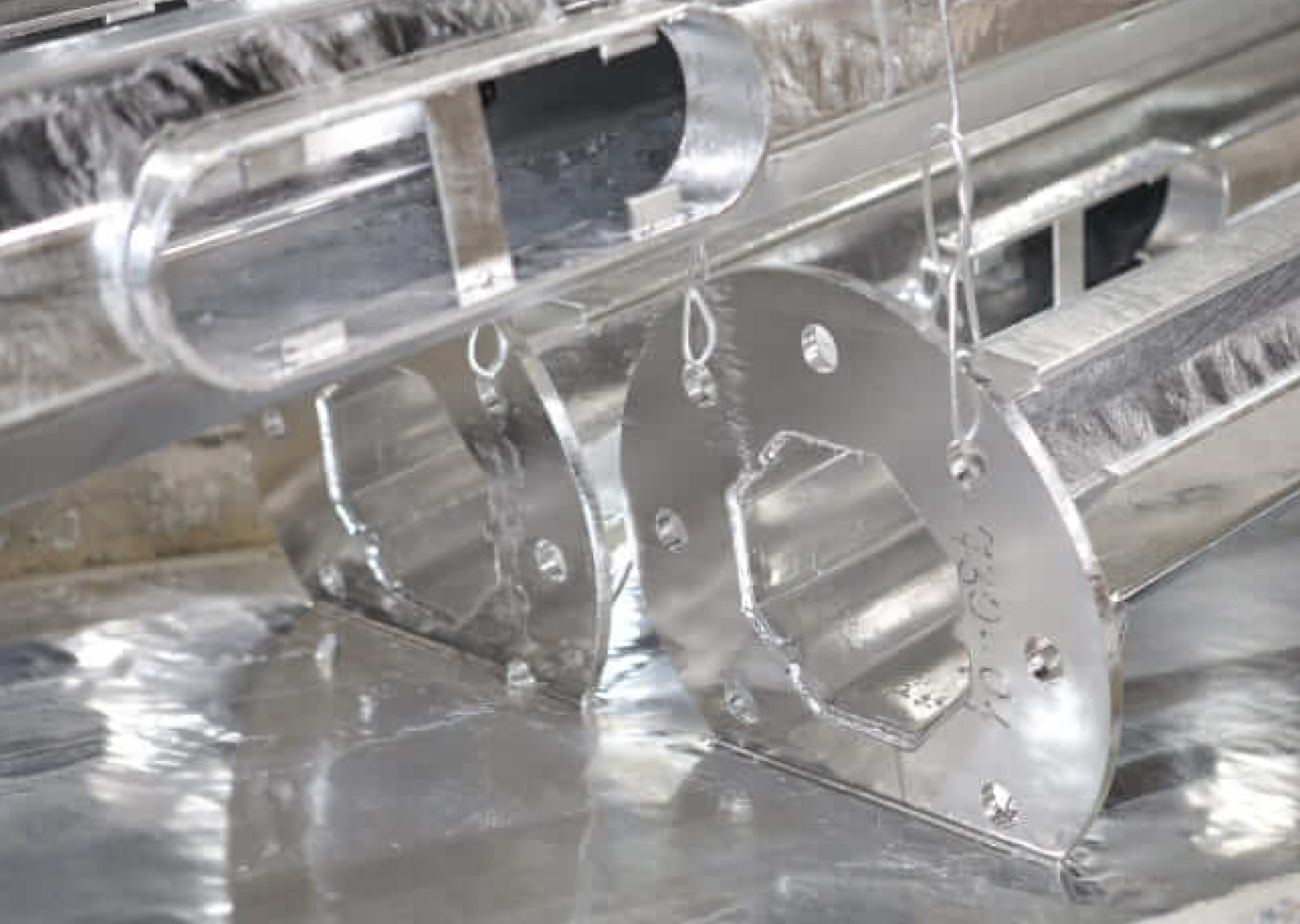
Immersion of steel structures in a bath of molten zinc at a controlled temperature of 440-460°C. When the structure is removed, excess zinc flows back into the molten bath, therefore a mandatory condition for galvanizing is the presence of drainage holes: the products must not have pockets, closed cavities or air traps; all cavities must be accessible for the unimpeded entry and exit of liquids, molten zinc and gases.
Immersion of steel structures in a bath of molten zinc at a controlled temperature of 440-460°C. When the structure is removed, excess zinc flows back into the molten bath, therefore a mandatory condition for galvanizing is the presence of drainage holes: the products must not have pockets, closed cavities or air traps; all cavities must be accessible for the unimpeded entry and exit of liquids, molten zinc and gases.
9
Cooling
The structure removed from the galvanizing bath has a temperature close to 450°C. Its cooling to ambient temperature occurs either in a clean water bath or in the open air.
The structure removed from the galvanizing bath has a temperature close to 450°C. Its cooling to ambient temperature occurs either in a clean water bath or in the open air.
10
Removal of metal products from the cross-beam
Galvanized products are removed from the cross-beam, packaged if necessary and transported to the warehouse.
Galvanized products are removed from the cross-beam, packaged if necessary and transported to the warehouse.
RECOMMENDED STEELS FOR HOT-DIP GALVANIZING
| GOST 380 | GOST 1050 | GOST 27772 | GOST 19281 |
| 1 St0 | St05kp | S235 | 09G2S |
| 2 St1kp | St08kp | S245 | 11G1S |
| 3 St1ps | St08ps | S255 | 17GS |
| 4 St1sp | St08 | S275 | |
| 5 St2kp | St10kp | S285 | |
| 6 St2ps | St10ps | S345K | |
| 7 St2sp | St10 | ||
| 8 St3kp | St11kp | ||
| 9 St3ps | St15kp | ||
| 10 St3sp | St15ps | ||
| 11 St3Gps | St18kp | ||
| 12 St3Gsp | St20kp | ||
| 13 St4kp | St20ps | ||
| 14 St4ps | St20 | ||
| 15 | St25 | ||
| A | B | C | D |
Hot-dip galvanizing is applied to products made of low-carbon steel
and steels according to GOST 380, GOST 1050, GOST 19281, GOST 27772 and their equivalents, as well as castings from steel,
gray
or malleable cast iron.
THE CUSTOMER'S MAIN RULE FOR HOT-DIP GALVANIZING TECHNOLOGY IS:
"Buy steel with regulated silicon and phosphorus content; each purchased batch of steel products must be accompanied by a certificate indicating the chemical composition of the steel according to the ladle sample".
"Buy steel with regulated silicon and phosphorus content; each purchased batch of steel products must be accompanied by a certificate indicating the chemical composition of the steel according to the ladle sample".
ADVANTAGES OF WORKING WITH "AGRISOVGAZ"
PROMPT ORDER FULFILLMENT
The presence of two galvanizing lines allows producing a larger volume
of products in a shorter time
QUALITY GUARANTEE AND STANDARD
We use only primary raw materials in our work. Quality guarantee
of more than 30 years
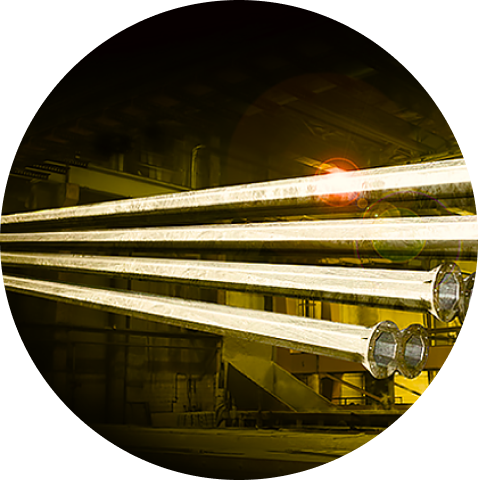
GALVANIZING OF PRODUCTS UP TO 12.5 M IN LENGTH
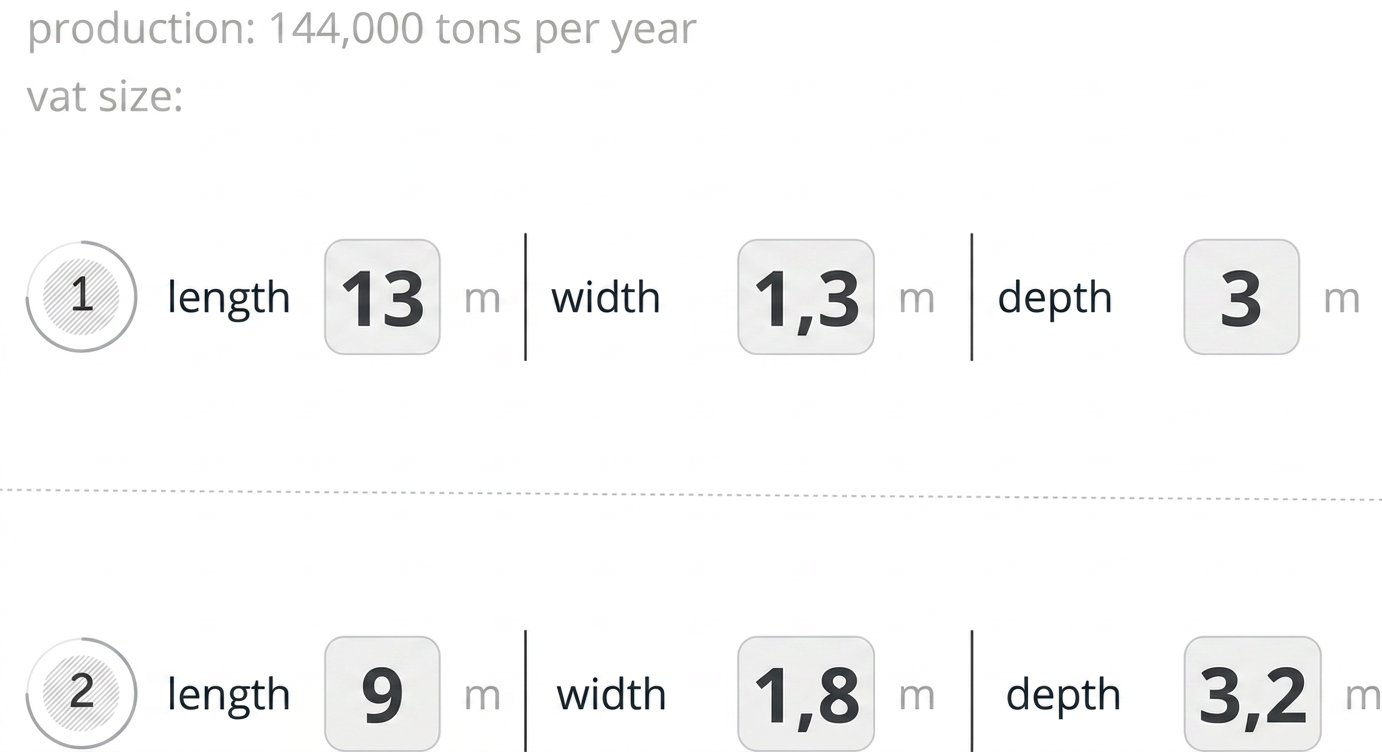
The longest bath in the NWFD, measuring 13x1.8x3.2 m
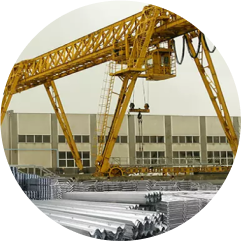
WAREHOUSE COMPLEX
Availability of warehouse space for storing finished products
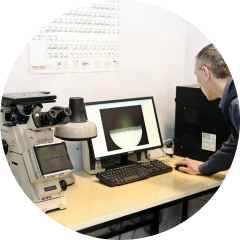
IN-HOUSE LABORATORY
The certified laboratory allows controlling all
technological processes by our own forces
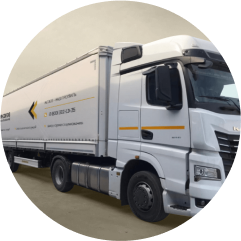
transport accessibility
Close location to federal highways


 Download